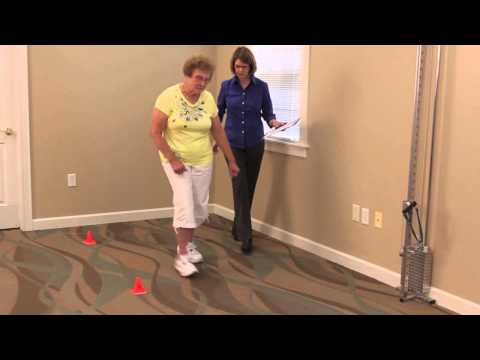
Thrive For Life 📞(808) 797-2590
Patient Info
Screening
Risk Factors
4 Tests
Score
Hazards
Notes
This worksheet is based on CDC STEADI program guidelines. Reviewed and recommended by our licensed OT team.
0

Patient Information

Complete all fields before starting the assessment

How to Use This Worksheet

  1. Complete Section A & B independently. These identify your baseline fall risk and risk factors.
  2. Perform Section C only if you feel safe to do so. Tests should ideally be supervised by a trained professional or family member.
  3. Use your results to identify changes in mobility or early warning signs of fall risk.
  4. If any test indicates Moderate or High Risk, consult an occupational therapist or healthcare provider for a comprehensive fall assessment.
  5. Repeat the screening every 6–12 months, or sooner if your health or mobility changes.
  6. This worksheet is for educational and screening purposes only. It is not medical advice. Consult a healthcare provider for interpretation and recommendations.
A

Fall Risk Screening Questions

Answer honestly. These guide the full assessment.

B

Fall Risk Factors

Check all that apply. Each factor raises fall risk.

0 risk factors selected
1 Factor
19%
chance of fall
2 Factors
32%
chance of fall
3 Factors
60%
chance of fall
4+ Factors
78%
chance of fall
C

Fall Risk Tests

4 standardized CDC STEADI tests · Complete all 4 for best accuracy

⚠️ Safety Precautions: Read Before Testing

  • Wear secure, closed-toe shoes
  • Use any mobility aids you normally use (cane, walker, etc.)
  • Have a second person nearby for safety
  • Stop immediately if you feel dizzy, short of breath, or in pain
  • Do NOT attempt the balance tests alone if you have a known balance deficit
1

Walking Speed Test (Gait Speed)

6-meter walk at comfortable pace

Gait Speed Test video thumbnail
▶ Watch on YouTube
Gait Speed Test: How to Perform & Score
⏱ 1:28 min

📋 Setup Instructions

  1. Mark a straight 6-meter path (19 ft, 8 in) with tape or markers
  2. Start timing when the first foot moves
  3. Stop timing when the front foot crosses the finish line
  4. Walk at a normal, comfortable speed
  5. Use assistive devices if normally used
seconds
TimeSpeedRisk Level
≤ 6 sec≥ 1.0 m/s✅ Excellent · Low risk
7–8 sec0.75–0.90 m/s✅ Low fall risk
9–10 sec0.60–0.70 m/s⚠️ Moderate fall risk
11–12 sec0.50–0.55 m/s⚠️ Moderate–High fall risk
≥ 13 sec≤ 0.45 m/s🔴 High fall risk
Enter time above to see result
2

4-Stage Balance Test

Progressive balance challenge. Hold each stage up to 10 seconds.
4-Stage Balance Test video thumbnail
▶ Watch on YouTube
4-Stage Balance Test: Step-by-Step Instructions
⏱ 2:07 min

📋 Instructions

  • Hold each position for up to 10 seconds
  • Eyes open, hands at sides or lightly touching a stable surface for safety only
  • Progress through stages in order. Stop if unsafe.
  • Time each stage and record seconds held
⚠️ Adults 65+ who cannot progress to tandem (heel-toe) stance or cannot hold it for 10 seconds are at risk for falls.
Stage 1 · Parallel Stance Stand with feet side by side
sec
Stage 2 · Semi-Tandem Stance Instep of one foot touching big toe of other
sec
Stage 3 · Tandem (Heel-Toe) Stance One foot in front of other, heel touching toe
sec
Stage 4 · One-Legged Stance Stand on one foot
sec
ResultRisk Level
Cannot hold Stage 1 (parallel)🔴 High risk
Cannot hold Stage 2 (semi-tandem)🔴 Elevated risk
Cannot hold Stage 3 for 10 sec (tandem)⚠️ Moderate–High risk
Holds Stage 3 for 10 seconds✅ Normal balance
Holds Stage 4 for 10 seconds✅ Excellent balance
Enter seconds held for each stage above
3

Timed Up and Go (TUG) Test

Stand, walk 10 feet, turn, return, sit. Timed.

Timed Up and Go Test video thumbnail
▶ Watch on YouTube
Timed Up and Go (TUG) Test: How to Perform
⏱ 1:29 min

📋 Instructions

  1. Sit in a chair with armrests
  2. On "Go," stand up, walk 10 feet (3 meters)
  3. Turn around, walk back, and sit down
  4. Use assistive devices if normally used
  5. Walk at a safe, comfortable pace
  6. Start the timer when you say "Go." Stop when they sit back down.
seconds
TimeRisk Level
< 12 seconds✅ Normal · low fall risk
≥ 12 seconds🔴 HIGH risk for falls
Enter time above to see result
4

30-Second Sit to Stand Test

Count unsupported stands in 30 seconds
30-Second Chair Stand Test video thumbnail
▶ Watch on YouTube
30-Second Chair Stand Test
⏱ 2:08 min

📋 Instructions

  1. Sit in a firm chair with arms crossed over chest
  2. Stand up and sit back down as many times as possible in 30 seconds
  3. Do NOT use armrests. Note if they reach for them.
  4. Count each time they return to a fully seated position as one stand
stands
Age RangeMen (normal)Women (normal)
60–6414+12+
65–6912+11+
70–7412+10+
75–7911+10+
80–8410+9+
85–898+8+
90–947+4+
Source: Jones & Rikli (2002). Completing fewer stands than shown for your age group indicates high fall risk.
Enter age and stand count to see result

Overall Fall Risk Score

Auto-calculated from all 4 tests above

📋 Complete tests to see score
Fill in the 4 tests above and the risk score will calculate automatically.
D

Home Hazard Checklist

Check any hazards present in the home. Check = hazard exists.

🚶 Floors & Pathways
🚿 Bathroom
🪜 Stairs
💡 Lighting
👟 Footwear & Clothing
🦯 Mobility Aids
0 hazards identified
⚠️ Multiple home hazards detected. Consider a professional home safety assessment by a licensed OT.
E

Notes & Next Steps

Document observations and agreed action plan